The Invisible Thread: How Your Body and Brain Sync Up to Connect (And Why It Matters!)
- neurokarma
- Jul 24, 2025
- 7 min read
Ever felt that instant "click" with someone? Like you're on the same wavelength, finishing each other's sentences, or just totally getting what they're feeling without a single word? That's not just a coincidence; it's a profound, scientific phenomenon called human synchronization.
This isn't just about talking or thinking alike. It’s a deep, invisible dance happening at a biological level – your brains, your hearts, even your hormones are aligning to create those powerful connections. This article will dive into that "invisible thread" that links us all, showing you how it works, where you see it in action, and why understanding it can seriously boost your well-being and your relationships.
The Secret Superpower of Sync: Why Your Body Loves to Get in Line
Think about it: from galaxies to tiny cells, things in nature tend to get messy, right? It's called entropy. But then you see perfectly organized systems like a beating heart, a thriving ecosystem, or a bustling society. How? Through synchronization. It's when different parts work together in perfect unison, creating order out of potential chaos.
In our bodies, synchronization is literally the beat of life. Our hearts beat in a steady rhythm because millions of cells fire together. Our bodies know when to sleep and wake up because of synchronized "clocks" in our cells. This isn't just cool science; it's what keeps us healthy, functional, and prevents early aging.
Why does this matter for you and your friends?
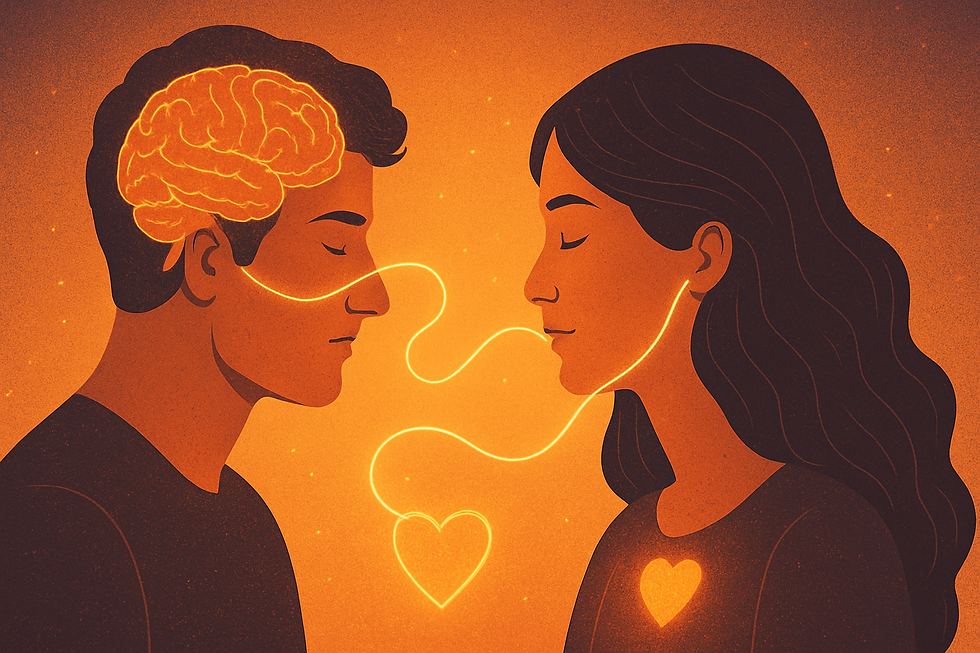
Brain Sync: Mind Meld! Ever noticed that during a really good conversation, you and the other person just get each other? Turns out, your brains are actually lighting up in similar regions at the same time. It’s like two separate computers running the same program, side-by-side. This brain sync isn't just about understanding words; it's a shared feeling – that "chemistry" or "vibe" you feel with certain people. Studies even show that when groups of brains synchronize, they understand each other better, are more empathetic, and work together more effectively. Imagine how that could boost your group projects or team sports!
Heart Sync: Beating as One Your heart isn't just pumping blood; it's also listening. Research shows that when people listen to the same story and are really engaged, their heartbeats can actually sync up. It’s not just about breathing in time; it's about shared attention and emotional connection. This "heartbeat harmony" happens even more in things like musical improvisation – musicians who are really in sync with each other often have synchronized heartbeats beforehand. It's proof that deep communication goes way beyond words; it’s a whole-body experience.
Hormone Sync: The Chemical Connection Our bodies are constantly releasing hormones that influence how we feel and connect. Two big players are oxytocin and cortisol.
Oxytocin: Known as the "love hormone," it's crucial for bonding and trust. It surges during physical touch (like hugs!) and helps us feel connected and empathetic.
Cortisol: This is your stress hormone. High levels of cortisol mean you're stressed, which can make it harder to bond. Here's the cool part: in close relationships, like couples or parents and kids, their oxytocin and cortisol levels can actually sync up. This isn't just shared emotions; it means they're also co-regulating their stress responses. Imagine how powerful it is if you and a friend can literally help each other calm down just by being in sync!

The Proof Is in the Relationships: Where Sync Shines
This body-and-brain alignment isn't just a lab curiosity. It's fundamental to how we build relationships:
Mother-Child Bond: The Ultimate Sync Team The connection between a mother and child is the OG of physiological synchronization. When a mom holds her baby, their hearts sync up. Even before birth, a pregnant woman's breathing can influence her baby's heartbeat. This early sync is vital: it helps babies develop their social brain, learn to self-regulate emotions, and even strengthens their immune system. If a mom is stressed and her breathing is rapid, that sync weakens, and the baby literally "doesn't feel mom" in the same way, even if she's right there. This shows how crucial those early interactions are for long-term health and development.
Friends, Dates, and Group Vibes: Physiological sync isn't just for families; it happens between friends, classmates, and even strangers. When you feel a strong connection with someone – whether it’s a romantic spark or just a great conversation – there’s often a subtle sync happening beneath the surface. It’s like your bodies are silently telling each other, "We're on the same page!" This can even predict how well a group will work together. However, it's not always sunshine and roses. Sync can also show up in negative ways, like if a couple is stuck in a cycle of conflict where their stress hormones are constantly mirroring each other. The key is healthy sync, where you can connect deeply without losing yourself.
Music's Magic: Syncing Through Sound Ever felt totally in sync with a band during a concert, or united with your choir during a performance? Music is a powerful force for physiological and emotional synchronization. Singing in a choir, for example, can cause everyone's heart rates and breathing patterns to align. In musical improvisation, musicians' hearts often sync up before they create a great piece together. Music isn't just entertainment; it's a biological tool that helps us connect and coordinate as a group. It can even be used in therapy to reduce anxiety and boost cooperation.
How to Boost Your Sync Superpowers: The Connective Tools
So, if synchronization is so vital, how can you encourage it in your daily life? It's all about intentional connection:
Physical Touch: This is one of the most direct ways to sync up. A friendly touch or a hug triggers a chain reaction in your brain: it lowers stress hormones (cortisol) and boosts feel-good chemicals like oxytocin and serotonin. It literally calms your heart rate and makes your brain align with another person's. (Think about the negative effects if kids don't get enough physical touch – it can lead to behavioral issues down the line.)
Eye Contact: Looking someone in the eye is powerful. It directly activates parts of your brain linked to empathy and social understanding. That's why people often avoid eye contact when they're nervous or in conflict – because it can pull you out of your own head and into the other person's emotional space. It's a direct channel for "reading" and sharing emotions.
Active Listening (and "Embodied" Listening): Listening isn't just about hearing words; it's about your body feeling like the other person has been "incorporated" into you. True understanding happens when your hearts and brains sync up, and the other person senses that their presence has genuinely impacted you. This kind of deep listening builds trust and attachment. For therapists, this "sinking in" with a client is a transformative tool for healing trauma.
Your Inner Toolkit: Body Awareness & Breathing To truly connect with others without getting overwhelmed, you need to be connected to yourself first.
Body Awareness: Learn to tune into your own body – notice tension, energy levels, how you're feeling moment-to-moment. This helps you understand your own needs and stay grounded.
Breathwork: Your breath is a direct link to your nervous system. Deep, belly breathing activates your vagus nerve, which helps you relax and bounce back from stress. Meditating and practicing mindfulness also stimulate this nerve. When you're good at regulating your own body, you're better equipped to "join another, without losing yourself." This is key for avoiding empathy burnout.
Empathy & Sync: A Two-Way Street
Empathy is your ability to truly understand and feel what someone else is experiencing from their perspective. It's not just thinking about it; it's your body responding in a similar way – heart rate changes, muscle tension, even similar brain activity. This shows that empathy is a full-body experience, deeply rooted in our ability to literally "resonate" with others.
Your brain has specific networks for empathy, like the insula (which helps you feel your own internal body states and sense of self) and the anterior cingulate cortex (ACC) (which helps you share emotions). When you see someone in pain, these areas might light up in your brain as if you were feeling that pain.
The "Me" vs. "You" Balance for Healthy Empathy Here's the crucial part, especially for people in helping professions (like doctors, therapists, or even just supportive friends): how do you take on someone else's pain without getting completely overwhelmed or losing yourself?
The answer: healthy empathy means you "join the other, but without forgetting yourself." Your insula (that part of the brain linked to your own identity) shouldn't completely shut down. You need to keep a clear distinction between your emotions and theirs to avoid hyper-empathy – getting so wrapped up in others' problems that it drains you and impacts your own mental health. It’s not about taking on their suffering as your own, or trying to be a people-pleaser; it's about holding boundaries.
Learning emotional self-awareness, setting clear limits, and practicing self-care are essential. These are not just nice-to-haves; they're vital strategies for professionals to avoid burnout and keep helping others effectively in the long run.
The Big Picture: Why This Matters for All of Us
Understanding human synchronization and empathy reveals a fundamental truth: our connection to others is deeply hardwired into our biology, going way beyond conscious thoughts and words. It's that "invisible thread" that binds us, driving unity, coordination, and cooperation at every level – from our cells to our communities.
This scientific evidence shows that physiological sync is a foundation for empathy, attraction, and group cohesion. It's how babies thrive, how friends connect, and how teams succeed. Practices like physical touch, eye contact, and active listening aren't just social niceties; they're powerful ways to regulate stress, build bonds, and activate key empathy circuits in your brain.
Ultimately, by recognizing and nurturing this incredible capacity for human synchronization and empathy, we can build deeper relationships, create more connected communities, and contribute to a more compassionate world. It's about honoring that "invisible thread" that connects us all, boosting health and resilience in every corner of human existence.

Comments